-

Climate Change
Climate change refers to a significant long-term variation of average weather patterns and temperatures.
-

Sustainability
Sustainability is about creating an equilibrium between human production and the living world.
-

Environmental Health
The relationships we have with the environment can give rise to a variety of diseases and health conditions.
Our Mission
The Climate Club engages young scholars to deliver digestible information on climate, sustainability, and environmental health. Through our platform, we aim to not only communicate science and combat misinformation, but to also empower young scientists across the world to voice their perspectives and write evidence-based, non-biased articles to engage the public in critical thinking and active reasoning.
Monthly Picks

May is recognized as Mental Health Awareness Month in the United States, highlighting the country's growing mental health crisis, particularly among young people.

The closure of Merrimack Station is a testament to the power of environmental activism and public pressure to change the energy landscape. As the region strives for sustainability, wind emerges as a leading clean energy source.
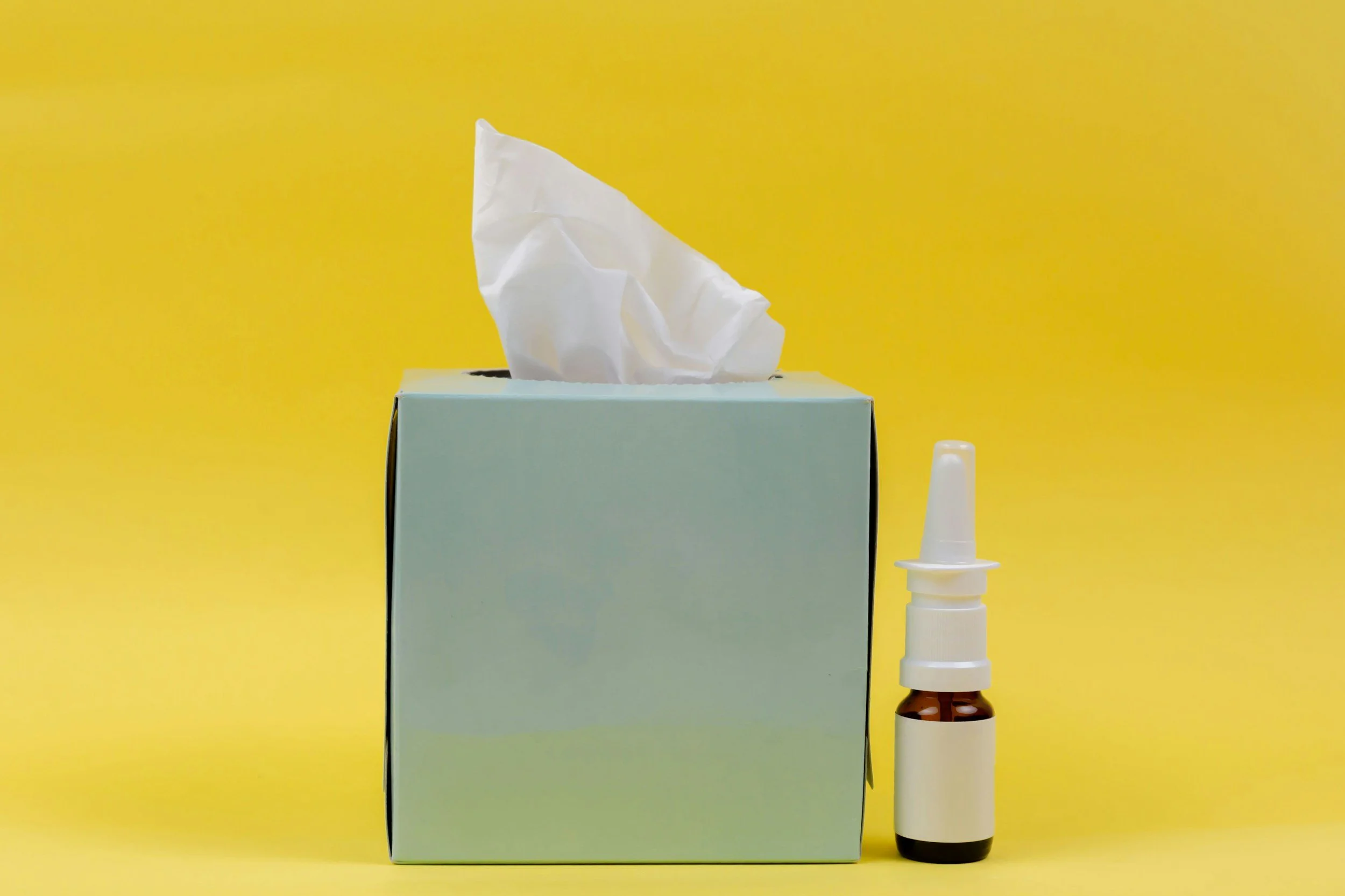
Allergies are increasingly prevalent, largely due to the impacts of climate change and pollution. Vulnerable populations with limited access to healthcare and green spaces, are particularly affected by longer pollen seasons and heightened allergic responses.

Avian Influenza A (H5N1), known as bird flu, is a zoonotic influenza virus strain that affects animals and humans. It can be contracted through contact with sick birds and spread from one species to another, causing severe human infections.
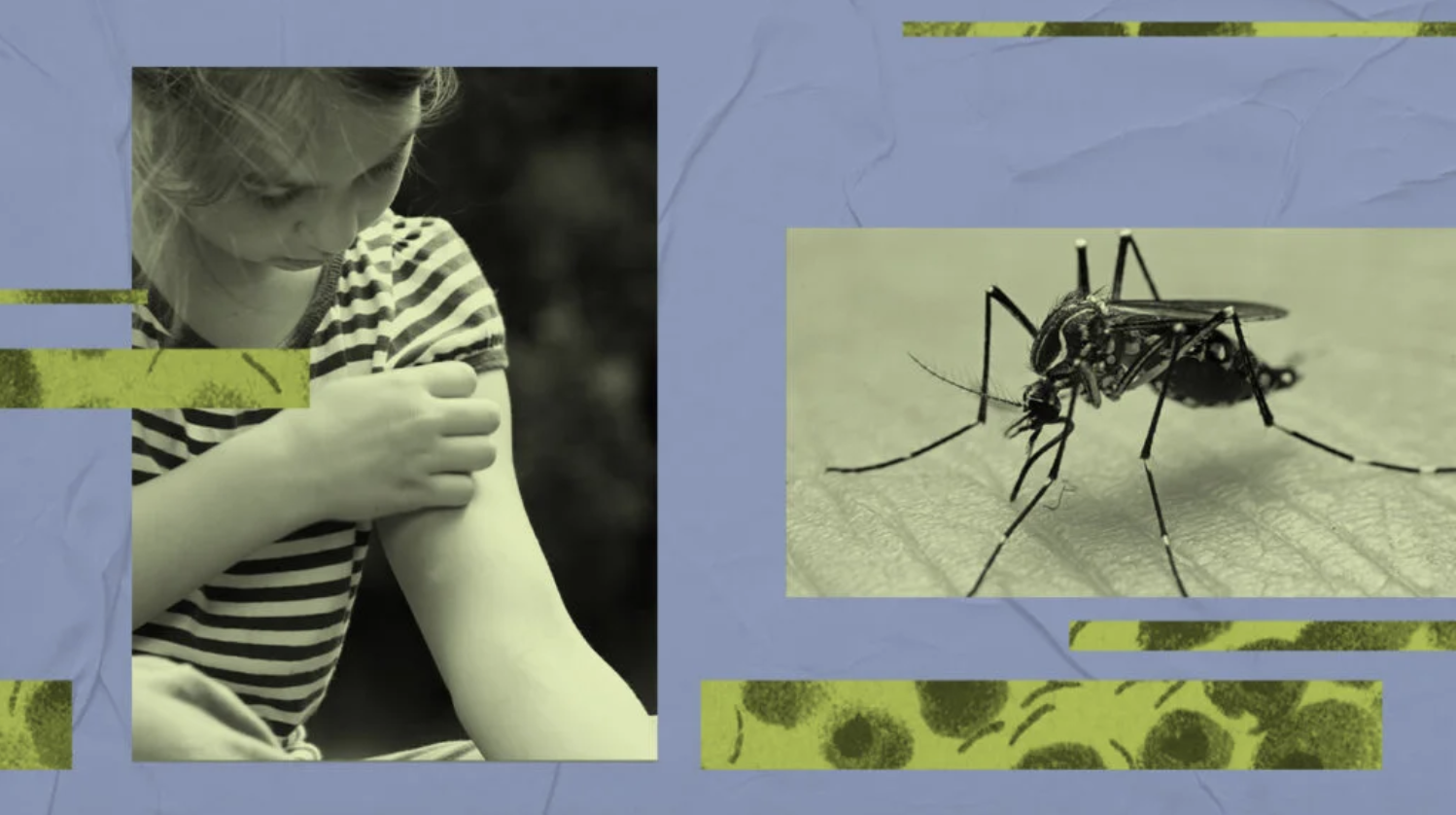
Dengue is transmitted to humans via infected mosquitoes. These Aedes mosquitoes can also transmit Zika, chikungunya, and other serious diseases. Each year, up to 400 million people become infected with dengue, with 40,000 dying from severe cases.
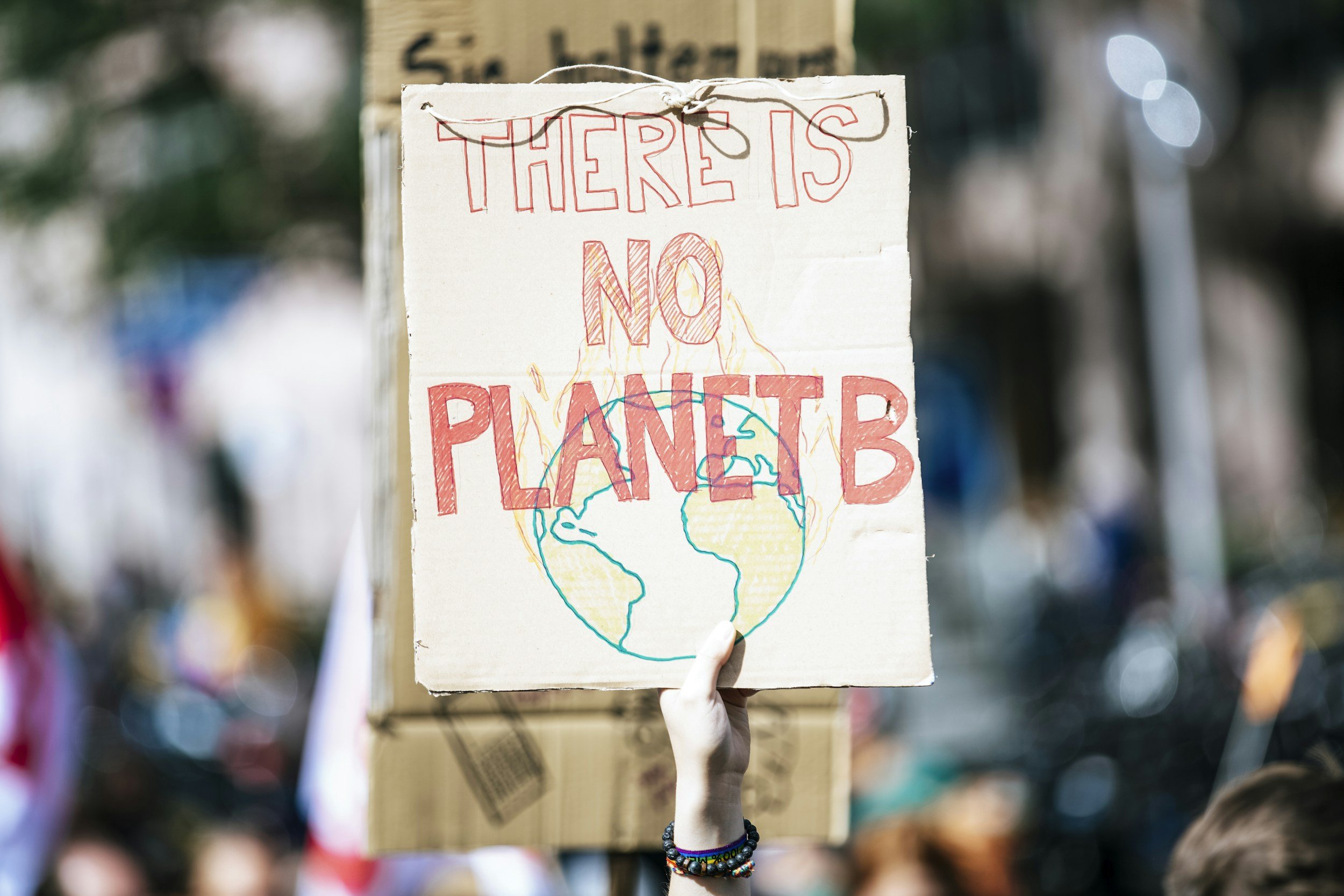
Climate change and global warming cannot go unchecked because their long-term impacts are most detrimental to human health and can lead to more sickness and death. Building awareness of these trending environmental issues can help humans develop a deeper understanding of the risks associated with climate change and global warming so they can start making more informed choices toward living a more sustainable and environmentally friendly lifestyle.

The Bronx River Alliance is a 501(c)(3) nonprofit dedicated to bringing the Bronx River to a fishable and swimmable state, while working with parks, local nonprofits, the government, and the community. With a goal for a greener future, the the Bronx River Alliance aims to turn a once neglected river into a new community hub.
Read by Topic
Climate and Health
Allergies are increasingly prevalent, largely due to the impacts of climate change and pollution. Vulnerable populations with limited access to healthcare and green spaces, are particularly affected by longer pollen seasons and heightened allergic responses.

Ongoing climate research in human health, coastal community resilience, and agriculture environmental impacts may all find their solutions from the same naturally occurring source: seaweeds. With ever increasing natural disasters due to climate change, it is believed by researchers at Running Tide and the Bigelow Laboratory of Ocean Sciences that harnessing the power of seaweed could unlock answers for reducing atmospheric carbon and global food insecurity.

In early Sep, a catastrophic flood hit Derna, Libya, killing over 5,000 people and leaving thousands missing. The flood was triggered by Storm Daniel, which had characteristics of both hurricanes and typhoons. Climate change likely intensified the devastating floods caused by the storm. Rising sea surface temperatures injected energy and moisture into the storm, escalating its winds and rainfall. Although sea surface temperatures were not exceptionally high, they were sufficient to enhance and fuel such storms.

In early August, Hawaii experienced a series of wildfires that resulted in the loss of over 100 lives and the burning of more than 10 square miles of land in Maui.
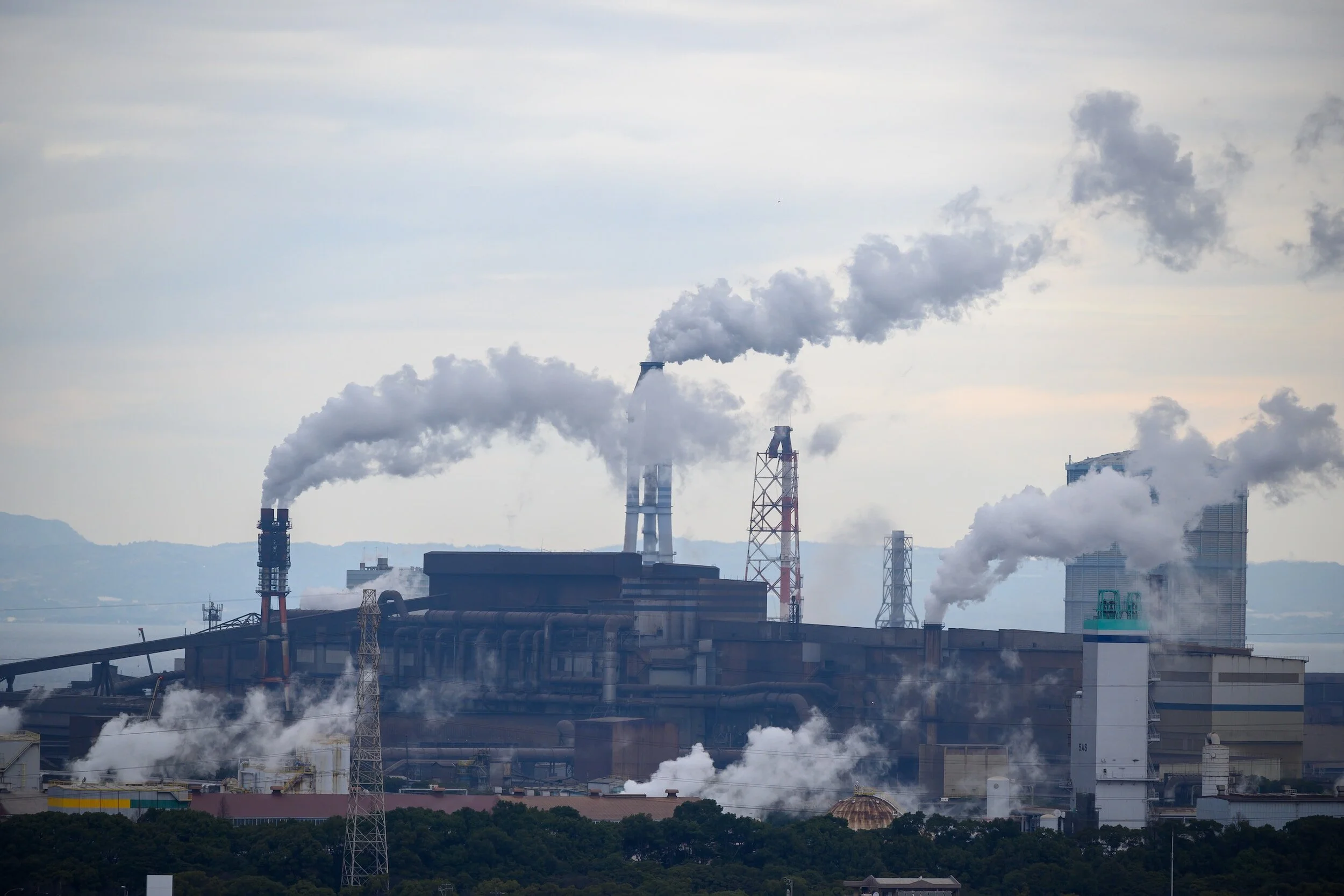
Greenhouse gases are well known for their role in driving climate change. By trapping heat from the sun in the atmosphere, they increase the global average temperature and change the Earth’s climate. Climate change is responsible for causing various health hazards, such as extreme heat, an increased severity of wildfires and floods, and more incidences of natural disasters.
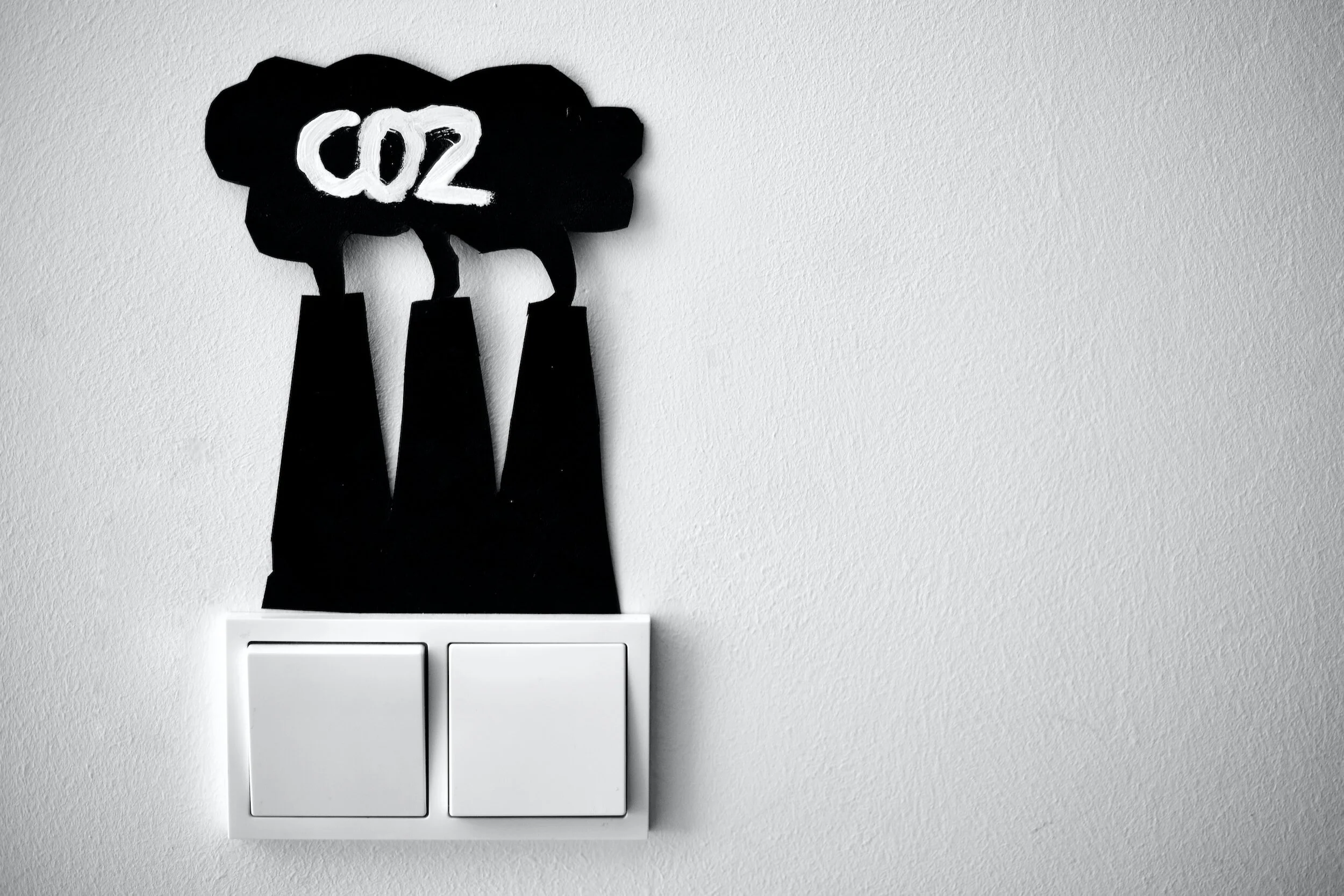
Our reliance on fossil fuels for transportation, electricity generation, and industry makes carbon dioxide (CO2) the most emitted greenhouse gas warming our planet. Although CO2 occurs naturally in the atmosphere, human activities have caused a 50% increase in its concentration in the last 200 years.
Sustainability
The closure of Merrimack Station is a testament to the power of environmental activism and public pressure to change the energy landscape. As the region strives for sustainability, wind emerges as a leading clean energy source.

The transition to a low-carbon world is not without pushback and criticism. Fighting climate change by reducing carbon emissions is important, but it could have a negative impact on employment and the economy. In order to address the unease among workers, it is important to validate worries, and identify strategies and solutions- ensuring a just transition where no one is left behind.
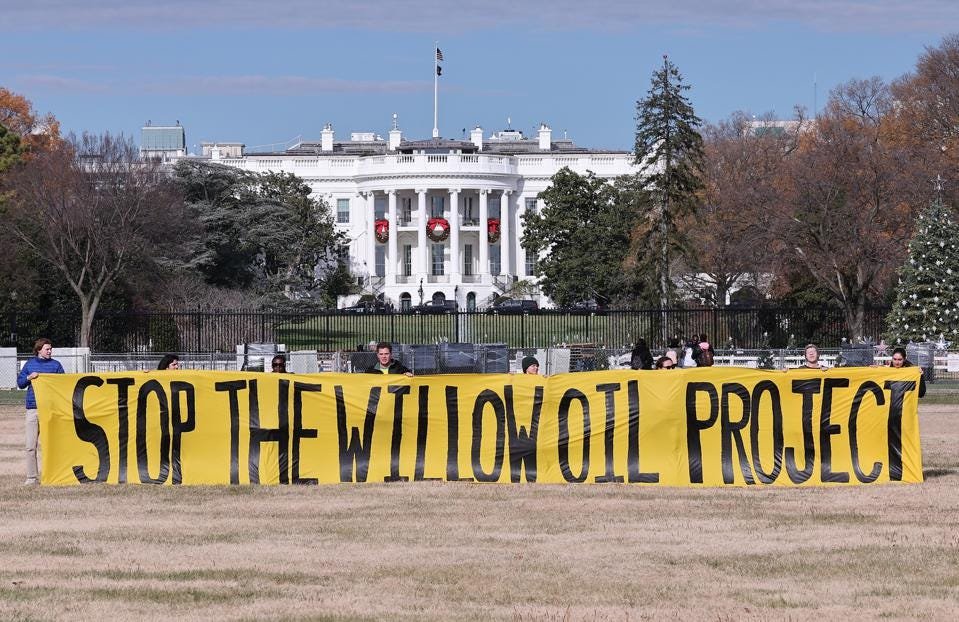
On March 13, the Biden Administration approved the ConocoPhillips Willow Project, a move some organizations are calling a “carbon bomb,” allowing thirty years of oil and gas extraction in Willow, Alaska. But what does the Willow Project involve, and why is it so controversial?

On March 4th, following almost two decades of discussion, the members of the United Nations (UN) came to an agreement on marine conservation in the high seas. But what makes this such a historic agreement, and what does it mean for the future of marine conservation?

In December 2022, the biodiversity-focussed 15th Conference of the Parties (COP15) adopted the Kunming-Montreal Global Biodiversity Framework (GBF), bringing the focus back on nature and putting our planet first. But why is biodiversity loss a problem, and what does the GBF hope to achieve?

On November 20th, 2022 at the 27th Conference of the Parties (COP27), it was announced that a loss and damage fund will be utilized for countries at the forefront of the climate crisis. But what does this mean, and is this fund a truly “ground-breaking decision?”
Environmental Health
May is recognized as Mental Health Awareness Month in the United States, highlighting the country's growing mental health crisis, particularly among young people.
The Bronx River Alliance is a 501(c)(3) nonprofit dedicated to bringing the Bronx River to a fishable and swimmable state, while working with parks, local nonprofits, the government, and the community. With a goal for a greener future, the the Bronx River Alliance aims to turn a once neglected river into a new community hub.
Climate change and global warming cannot go unchecked because their long-term impacts are most detrimental to human health and can lead to more sickness and death. Building awareness of these trending environmental issues can help humans develop a deeper understanding of the risks associated with climate change and global warming so they can start making more informed choices toward living a more sustainable and environmentally friendly lifestyle.
Dengue is transmitted to humans via infected mosquitoes. These Aedes mosquitoes can also transmit Zika, chikungunya, and other serious diseases. Each year, up to 400 million people become infected with dengue, with 40,000 dying from severe cases.
Avian Influenza A (H5N1), known as bird flu, is a zoonotic influenza virus strain that affects animals and humans. It can be contracted through contact with sick birds and spread from one species to another, causing severe human infections.
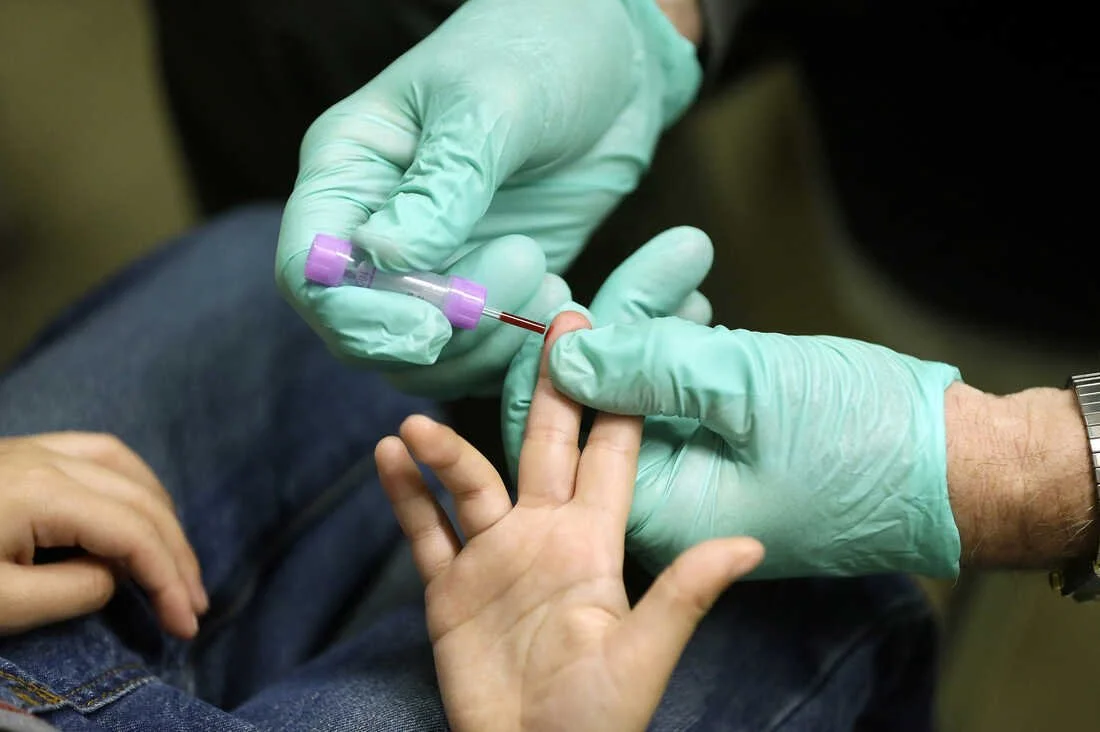
A woman in Sacramento, California, tragically died from severe lead poisoning after using a hemorrhoid ointment called Cao Bôi Trĩ Cây Thầu Dầu that she purchased via Facebook from Vietnam. Testing later revealed it contained 4% lead, posing significant health risks and ultimately leading to her death.
Our partners


